What if the hardest story to rewrite was the one you believed about yourself?
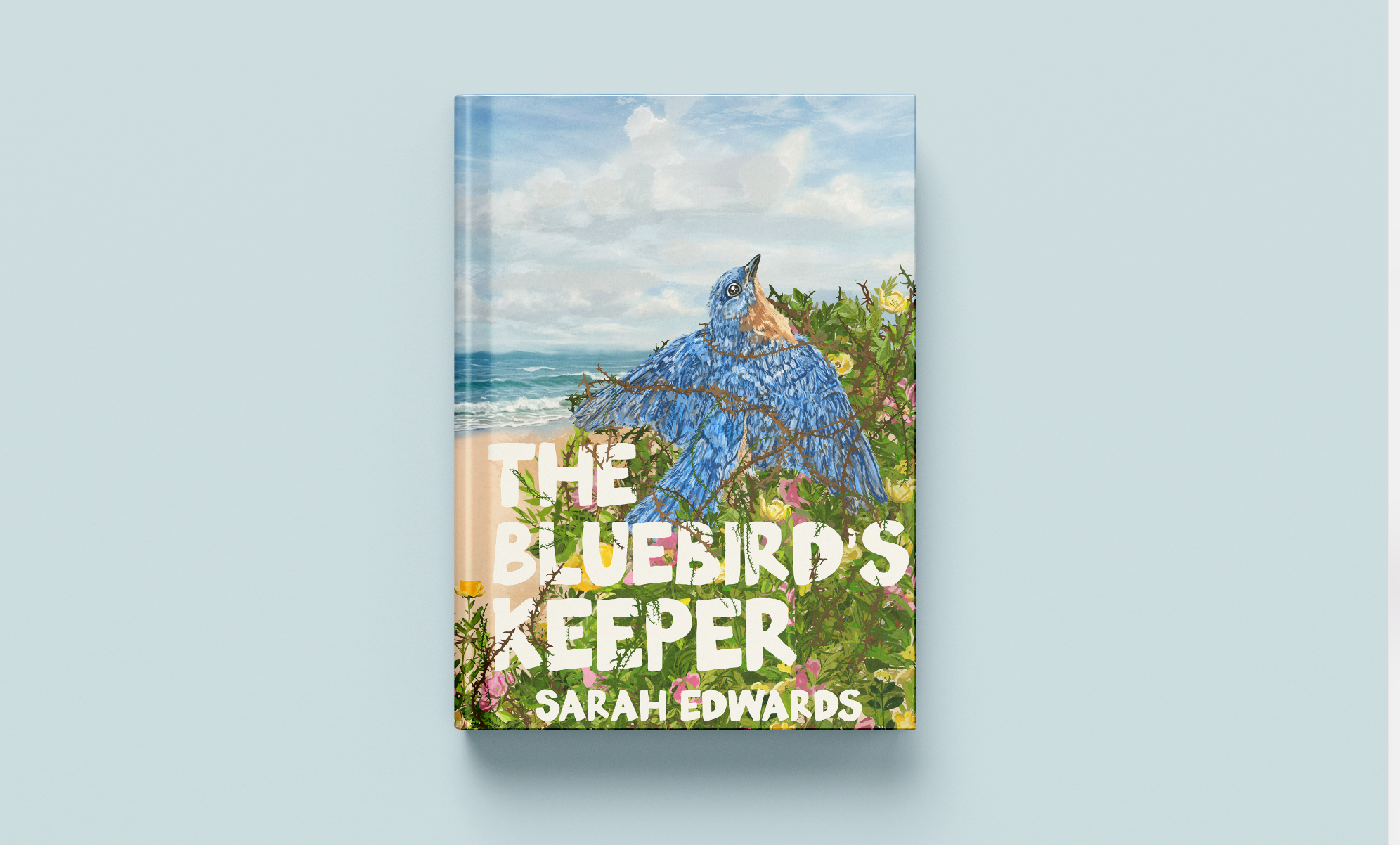
The Bluebird's Keeper is a story with an (almost) happy ending for the people carrying invisible battles—and the hope that maybe we were never meant to carry them alone.
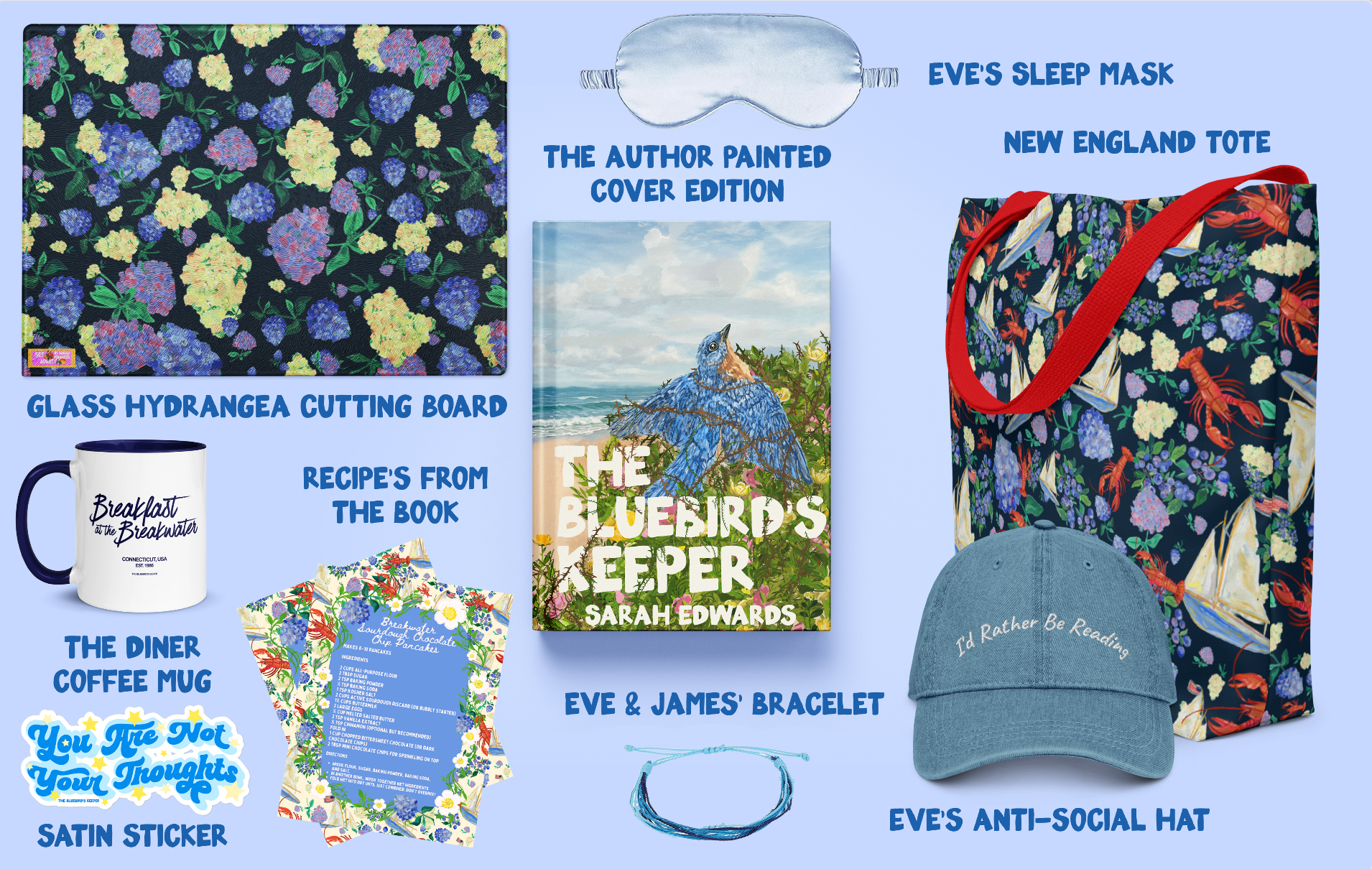
Read the opening chapter, and you'll be entered to receive one of twenty-five collector's boxes inspired by the novel, AND the first 100 readers will be mailed a Hope Bracelet! Scroll down for the giveaway details! 🩵
😇 All artwork was digitally painted by the author, Sarah Edwards.
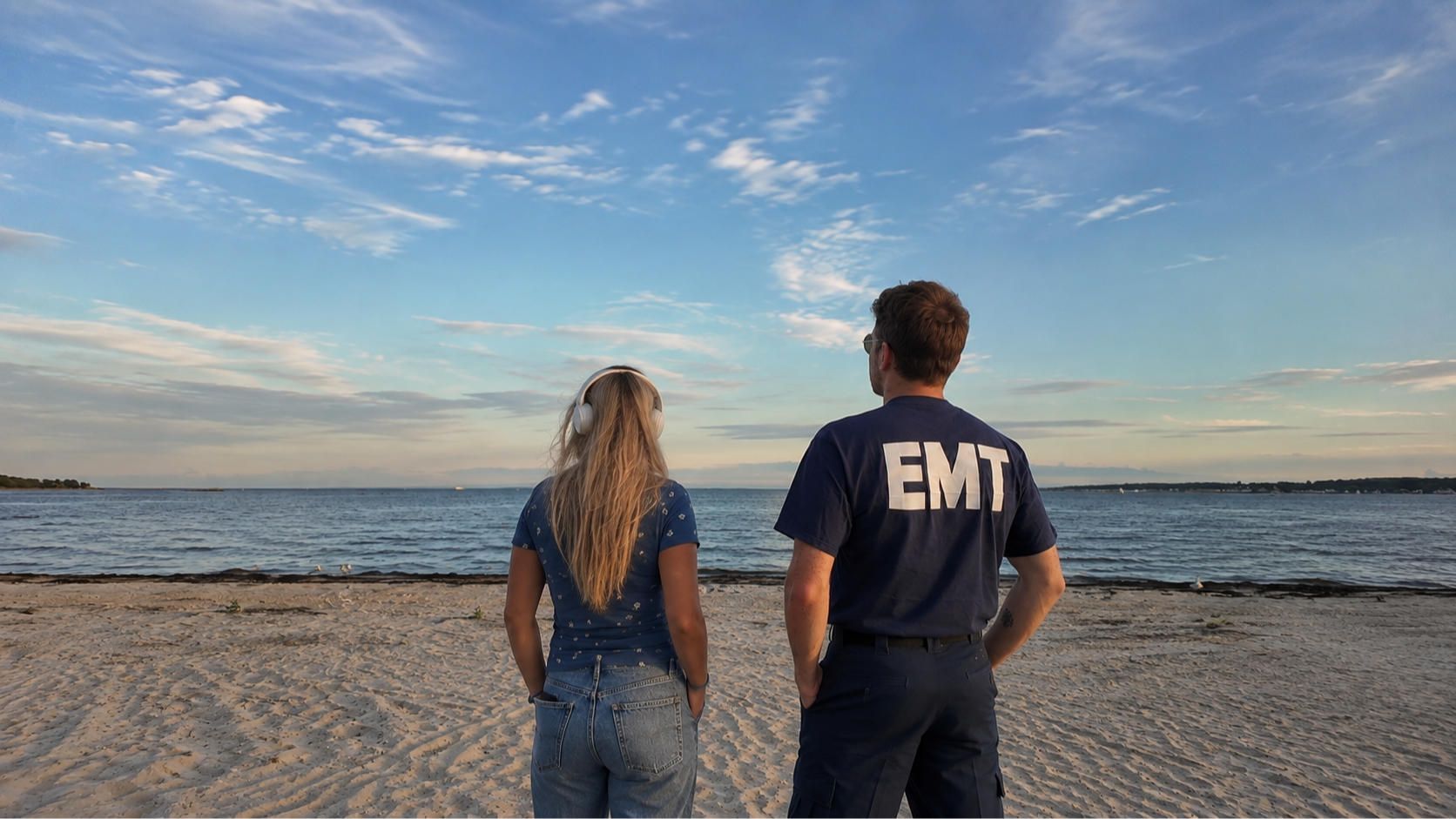
✨ Photos taken (and edited) by my husband and me in Photoshop (with stock photos and/or our own photography)! 😎
Read Chapter 1 & Enter The Giveaway!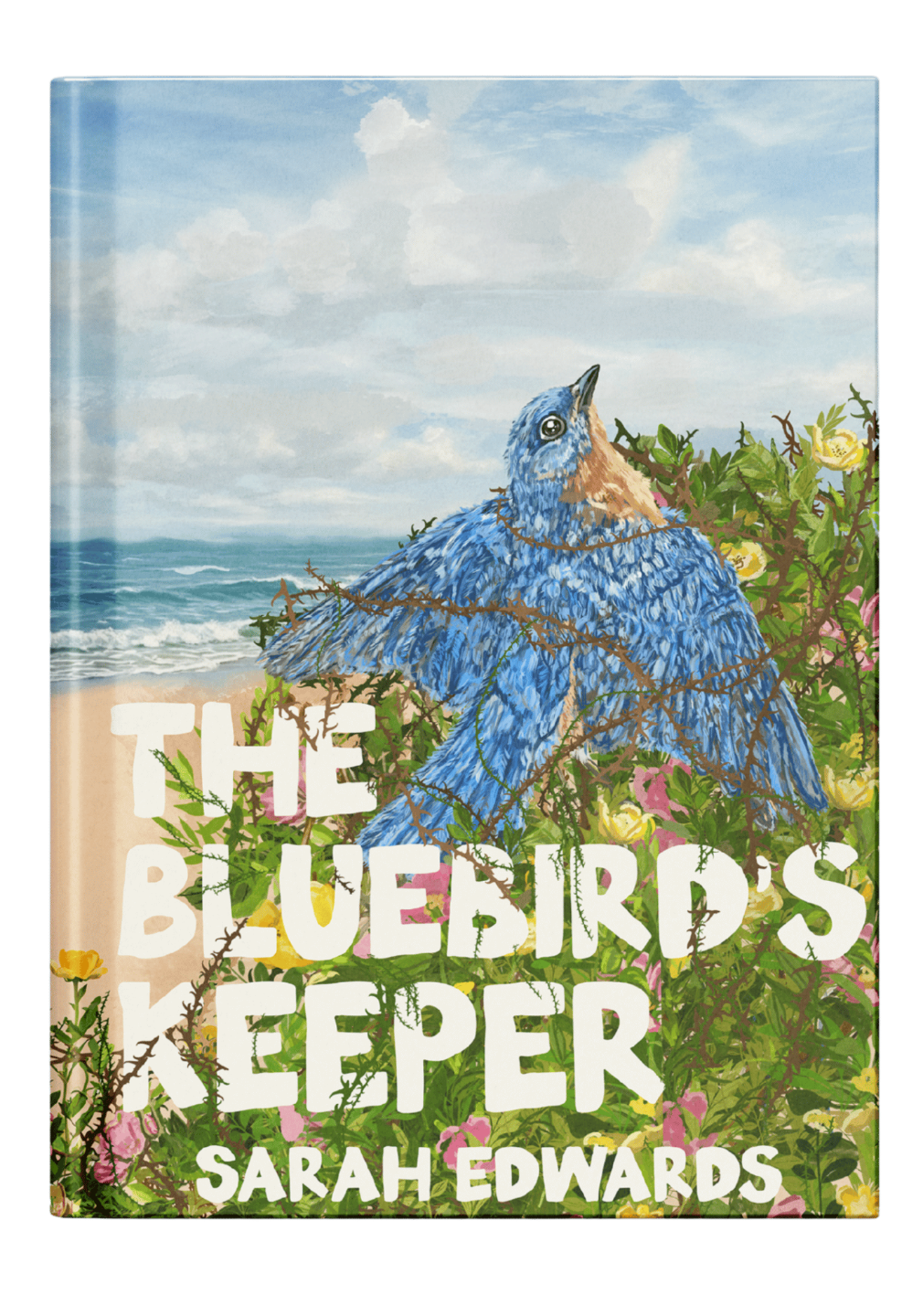
Eve Harper has spent the past year believing she killed her father.
Eve Harper killed her father. At least, that is what she believes. At twenty-four years old, Eve has lived with OCD for most of her life. But when she hits a pothole during a thunderstorm, cannot convince herself it wasn't a person, and calls her dad for help, she watches in horror as a drunk driver t-bones his car.
Then she runs into a burning house to save her elderly neighbor—and meets James Hayes, the quietly steadfast paramedic who refuses to let her disappear behind the walls she's built around herself.
When Eve learns her estranged grandmother has entered hospice in Nova Scotia, she reluctantly makes the trip north for what may be one final goodbye and chance at forgiveness. James offers to drive her, and somewhere between the rocky coastlines of New England, the fishing villages of Nova Scotia, and miles of open road, friendship slowly gives way to something neither of them expected.
But James has been carrying a secret. He was there the night Eve's father died.
As the truth threatens to unravel everything they've built together, Eve must decide whether the story she's believed about herself is the truth—or whether healing begins by choosing to believe something else.
Cute fact: This is our favorite beach (in Niantic, CT) where the book begins and where we live!
What happens when the story we've believed about ourselves isn't the whole story?
For all of us, our story comes in different scripts and forms. The feeling of needing to seem perfect, to hide our shame, or the exhausting belief that every outcome rests on us. If you carry an invisible illness, grief, a diagnosis, a handicap, a limitation, this can be difficult and lonely. Often you feel like you're behind.
For me, that story arrived through Harm and Responsibility OCD. Intrusive thoughts slowly took over my life—how I slept, what I ate, my relationships, and, eventually, how I understood my own character and who I was as a human being.
Eve Harper lives with those same intrusive thoughts and many beliefs about her self-worth. But she isn't the only one carrying a story that isn't true.
Over the past several years, I've had the privilege of teaching and mentoring hundreds of people around the world. Yet, I've noticed something remarkably similar: So many of us are living beneath stories we never chose. The Bluebird's Keeper is, at its heart, an invitation to look at those stories again.
where my work has been featured & published

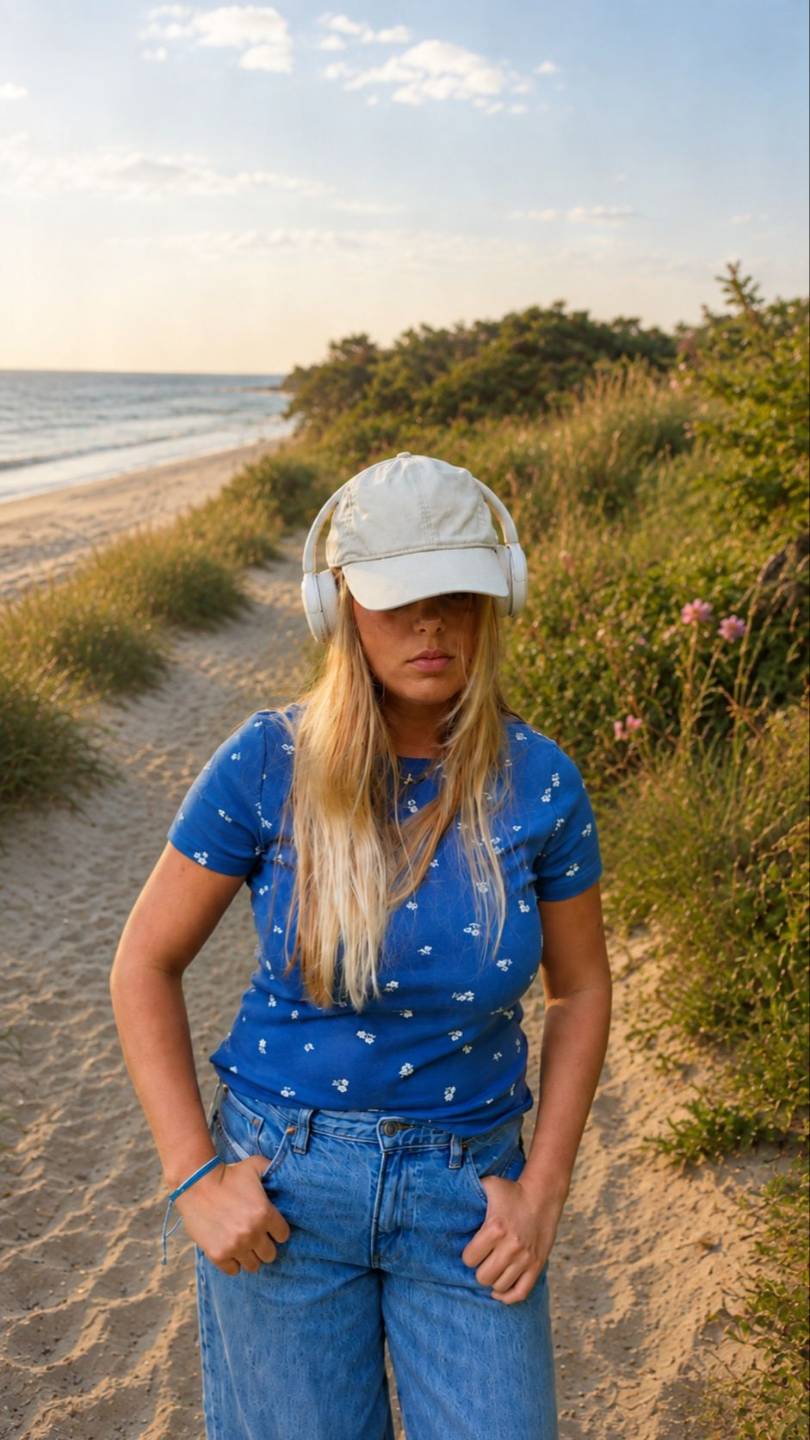
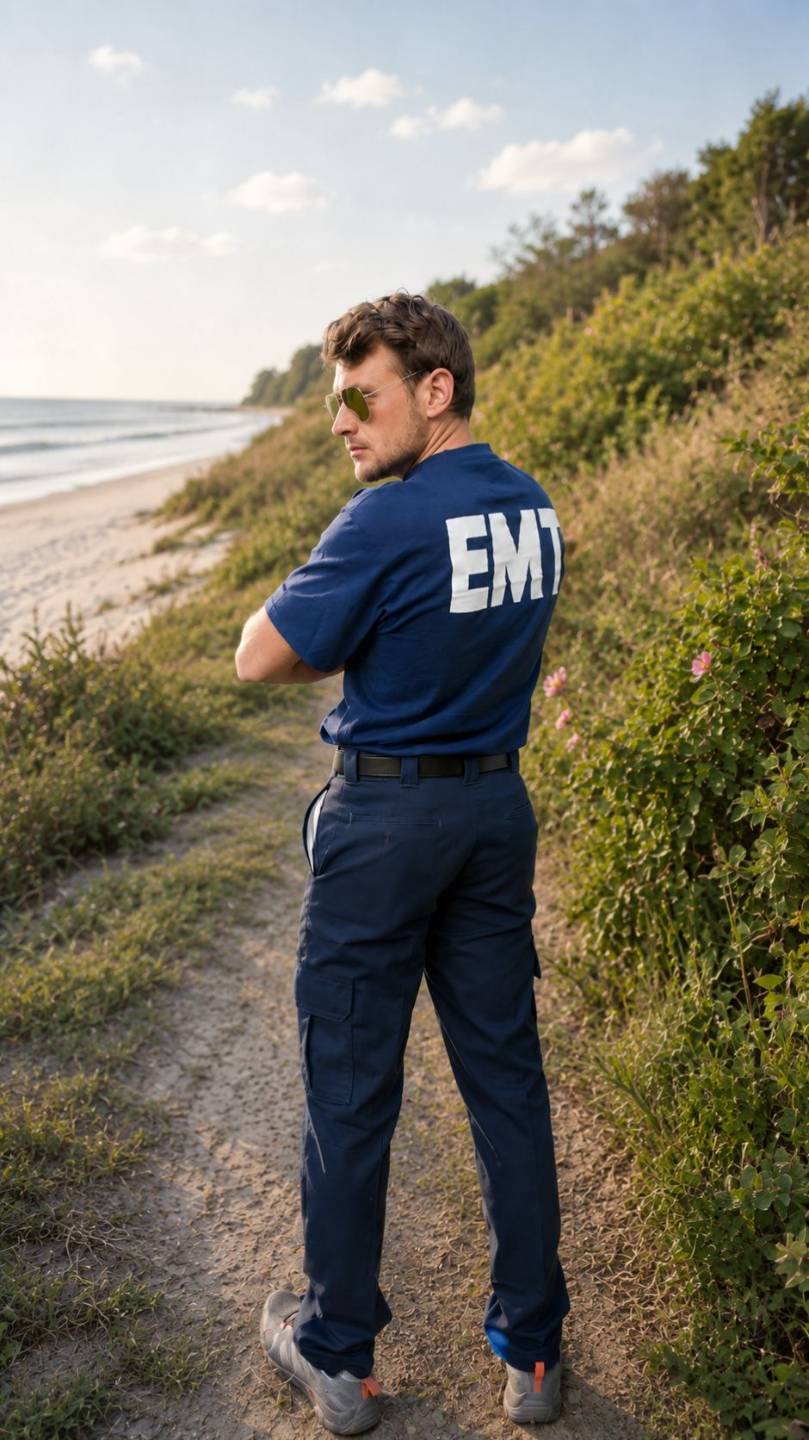
The heaviest things we carry often leave no mark at all.
Here's what you should know about the two people at the center of this story. One of them carries an illness you can't see in her mind. The other carries one you can't see in his body.
Eve looks fine. She's funny, observant, put-together in public. Nobody at the grocery store knows about the trial her brain holds every night. James looks better than fine — he's the healthiest person in any room, a paramedic who runs toward emergencies, all vitamins and sunscreen and easy jokes. Nobody knows what he's carrying either.
This is a love story between two people learning the same lesson from opposite directions: how to live inside a body and a mind that hold something invisible — and how to let one other person actually see it.
A playlist for long roads, quiet conversations, and the kind of love that changes you one mile at a time.🌷
Save The Spotify Playlist
What happens when the hardest person to forgive is yourself?
Eve believes healing means becoming someone different — someone less afraid, less broken, less complicated. But recovery rarely arrives all at once. More often, it arrives quietly, in ordinary moments.
This is a novel about the invisible burdens we carry, the stories we quietly believe about ourselves, and the extraordinary courage it takes to let another person truly know us.
Because sometimes the greatest act of hope isn't changing who we are. It's discovering we were never the person fear convinced us to be.

One of the reasons I wrote The Bluebird's Keeper is that I believe so many of us are carrying invisible battles that the world never sees. Whether you've lived with anxiety, OCD, chronic illness, grief, estrangement, loss, addiction, disability, or simply a story you've never felt safe enough to tell—I'd love to know a little about you. If you're comfortable sharing, use the optional question below. With your permission, I may feature selected stories anonymously or by name on my podcast, Instagram, newsletter, or other projects as a way of reminding people they are never as alone as they think. Every story is read by me, and every one matters.
WHY THIS BOOK HAD
TO EXIST
The Bluebird's Keeper is for the people carrying invisible battles—and learning they were never meant to carry them alone.
The Bird
The problem was never the bird. It was the alarm.
In the OCD community, intrusive thoughts are often explained with a bird landing on your roof. Most people notice it, then go on with their day. An OCD brain keeps sounding the alarm long after the bird has flown.
The Bluebird
Hope can return — even after grief, fear, and uncertainty.
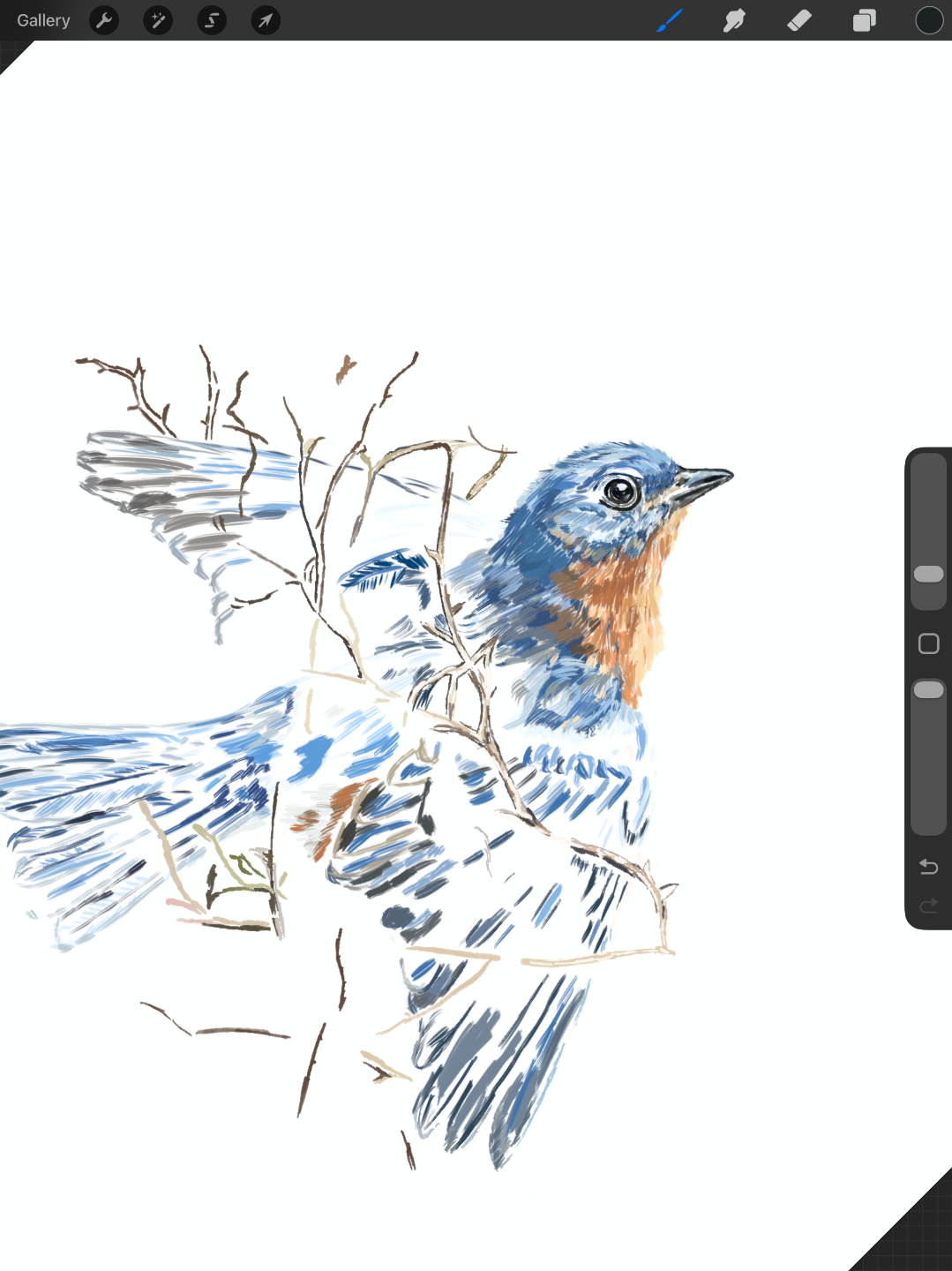
Bluebirds have long symbolized hope, joy, and new beginnings. For Eve, hope feels like something meant for everyone else. The bluebird becomes a quiet reminder throughout the novel that it hasn't forgotten her.
The Keeper
We all become keepers of something.
A keeper carries. Keeps showing up. Quietly holds what no one else can see. This book is for the people carrying invisible battles — and learning they were never meant to carry them alone.
the misinformation around chronic health & OCD
When people hear "OCD," they picture color-coded closets and organized pantries. I don't blame them - sadly, in culture, mental health education has been diluted down to a semester class in 7th grade. It's also the reason it took twelve years for anyone to recognize what was happening to me.
When I was eight years old, I asked my mom to stop at the grocery store and buy chocolate milk. By the time she drove away, I was convinced I'd caused a fatal car accident. My brain had done the math: if I hadn't asked, she'd have left the store sooner, taken a different route, and the timing would have changed. That wasn't logic. It was Responsibility/Harm OCD. I just didn't know it yet. This was multiple times a day, my entire life. I had panic attacks so bad I had to leave class all the time.
As I grew older, the situations changed, but the foundations stayed the same. Every ambulance siren sounded personal. Somewhere along the way I stopped trusting my own mind, because it had become extraordinarily convincing. I wasn't afraid of other people. I was afraid of myself.
For years I searched for answers. I sat in therapists' offices trying to explain thoughts I was too ashamed to say out loud. I was diagnosed with anxiety. Stress. Hormones. Acid reflux. Everyone noticed the anxiety. No one recognized what was creating it.
Eventually, the fear got so loud that I wrapped every kitchen knife I owned in towels and dropped them down the garbage chute of my apartment building. Not because I wanted to hurt someone—because the possibility horrified me. That's the paradox of intrusive thoughts that so few people understand: they aren't hidden desires. They're unwanted fears. They attack the people and values we treasure most. The thoughts feel horrifying precisely because they're so deeply inconsistent with who we are.
When I finally met an OCD specialist, I asked him one question more than any other: "Can you just tell me I'm not a sociopath?"
He smiled kindly and said something I'll never forget: "I can't reassure you."
At the time it felt almost cruel. Years later I'd recognize it as one of the kindest moments of my life. Because reassurance wasn't what I needed. Understanding was. For the first time, someone explained why certainty always disappeared the moment I reached for it. Nothing about my character changed that day. What changed was that I finally understood the difference between who I was and what OCD was doing.
Understanding became the beginning of hope.
Recovery, I've learned, isn't a finish line. It's looked like chopping vegetables in my own kitchen after years of being afraid to hold a knife. It's looked like laughing in the middle of a panic attack because my husband knows exactly which reassurance not to give me. It's looked like discovering that life isn't waiting on the other side of certainty. It's happening now.
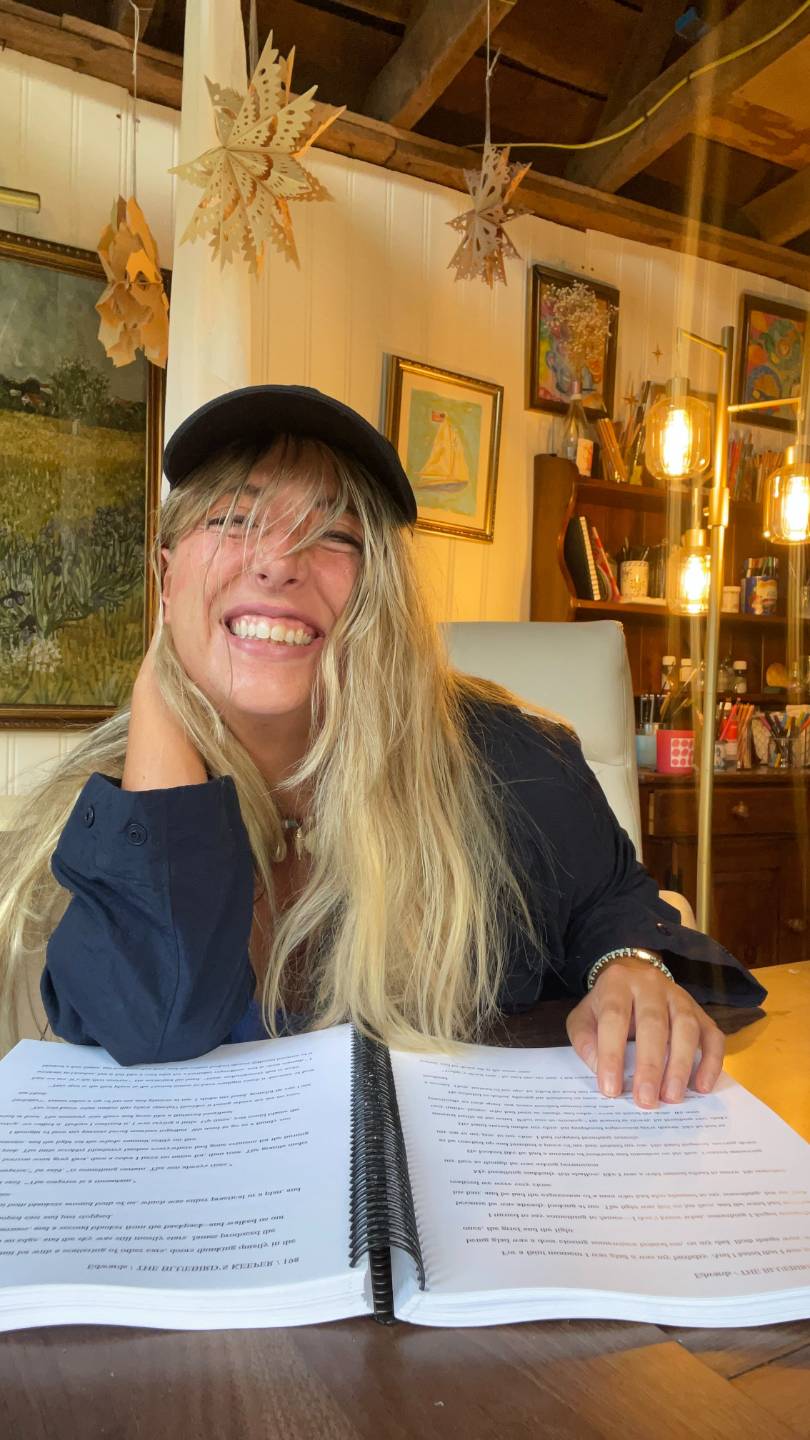
Five years ago, somewhere in the middle of all that, I started writing The Bluebird's Keeper.
Along the way, with my dozens of other physical issues and illnesses, I met hundreds of others from around the world with different unseen struggles and decided to would be my personal mission to help people improve quality of life.